bean bag chair safety

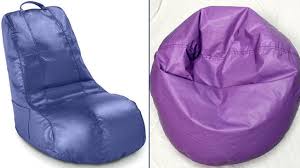
Bean bag chairs are a popular type of chair manufactured from vinyl or leather material. They contain small pieces of Styrofoam or PVC pellets inside the bag. When a person sits in the chair, the outer material shapes around the body. Bean bag chairs were particularly popular during the 1960s and 1970s, but slowly began to fade out during the next decade. Their attractiveness resumed in the mid 1990s as newer, more comfortable versions of the popular chair emerged onto the market. Bean bag chairs are commonly used as a comfortable and fun means of lounging or relaxing. The filling used in bean bag chairs varies from small pellets to shredded bits of polyurethane foam. Generally, the beads used to fill a bean bag chair are approximately 3-9 mm in diameter. However, micro-beads have now been introduced onto the market. These tiny bean bag chair beans can be as small as 1 mm in diameter. A suffocation and choking hazard exists as a result of children unzipping the bean bag chairs and playing with the filling fibers, or crawling inside of the bag.

In addition, inappropriately zippered bean bag chairs may release fibrous filling which can present a choking or asphyxiation danger. Bean bag chairs not meeting Consumer Product Safety Commission (CPSC) standard regulations are subject to recall. CPSC standard regulations for bean bag chairs were put into effect in November 1996. The CPSC requires that all bean bag chairs available on the market be modified in an effort to prevent young children from opening the zipper and gaining access to the fibrous materials inside. Any bean bag chair that is capable of being refilled must possess a zipper with a lock that can only be opened with a special tool. All other chairs must either have a disabled zipper or no zipper at all. Permanent warning labels must also be present on bean bag chairs. In an effort to ensure that proper, sturdy fabrics that will not easily rip or tear are used in the creation of the bag, further CPSC standards require durability tests on the materials used in the manufacturing of bean bag chairs.

At least five deaths related to bean bag chairs were reported to the CPSC by 1995, prior to the government regulations set forth in 1996. The deaths occurred when children unzipped the chairs and crawled inside. The small, fibrous pellets were inhaled, causing asphyxiation resulting in death. At least 27 other incidences where children have choked on the pellets were also reported prior to CPSC standards.
lazy boy chairs for sale uk In July 1995, as part of an ongoing investigation concerning bean bag chairs, five manufacturers of the chairs announced a voluntary recall of more than 140,000 bean bag chairs.
nursery rocking chairs bestPrior to this, more than 12 million bean bag chairs were included by 10 other manufacturers.
kitchen chairs for sale gumtree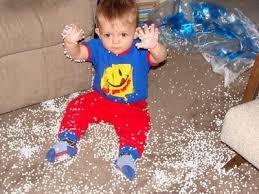
The five companies included in the voluntary recall in July 1995 include: B.A.T, Golden Needle co., Holbrook-Patterson, Inc., Lazy Bean, and Lewco Corp. The bean bag chairs involved in the recall were sold at specialty stores, educational supply companies, and through catalogs between 1989 and 1995. Thirty thousand bean bag chairs manufactured by Baseline Design of Linwood, Pennsylvania, were recalled as a result of suffocation and strangulation hazards.
fabric dining chairs with chrome legsThree reports were received noting young children opening the zipper on the bean bag chair easily and freely.
orange chair sashes for saleOne child inhaled the beads and required medical attention.
restaurant chairs for sale brisbane
The beanbag chairs were sold at Wal-mart stores nationwide from September 1999 to December 1999. Motifs included a football shape, baseball shape, basketball shape, a smiley face, and solid neon colors in green, yellow, blue, and pink. The bean bag chairs had a 12-inch double zipper, and contained small polystyrene beads that posed a choking and strangulation hazard.
spandex chair cover colorsBean bag furniture is one of the most comfortable types of furniture for people of all ages, from babies to seniors, but as with any product, it must meet the proper safety standards.
buy supreme plastic chairs onlineBean bags have several benefits and therapeutic qualities, and they are recommended by leading doctors and scientists as a healthy alternative to traditional furniture.
chair and table perth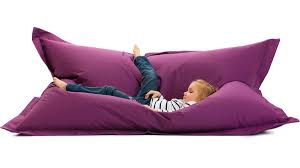
Since the mid-1990s, many people have been concerned about the safety of baby bean bags, but new safety features were mandated before the end of the decade that have made bean bags safe for children of all ages. In the 1990s, low-quality bean bags were found to pose two safety hazards to small children and babies. These hazards have since been corrected by the manufacturers after several recalls and new regulations were passed. However, as with all items used by children, parents are ultimately responsible for following the safety guidelines. Bean bags are comprised of a lining of natural or synthetic material and a filler. Most fillers are small beads made of PVC or polystyrene but may also be made of polyurethane or Styrofoam. Most of these beads are 3 mm to 9 mm in diameter, but some bean bags may use micro-beads that are only 1 mm in diameter. The two safety risks of bean bags concerned babies and small children. Children liked to open the linings and play with or attempt to eat the beads.
These actions could lead to choking on them or accidentally inhaling them, which could block airways. In some cases, children have climbed inside of bean bags and have been harmed in the process. The second safety risk occurs when bean bags are not properly filled. Bean bags must always be full to prevent accidents. A study conducted in 1996 found that 35 deaths occurred with babies who were found lying face down on bean bag furniture that was not properly filled. However, the researchers concluded that these deaths could have occurred in most other types of bedding through the same mechanism. From 1995 to 1996, several manufacturers of bean bags were forced to recall their products because of safety issues reported to the U.S. Consumer Product Safety Commission (CPSC). The CPSC is a federal regulatory agency that works to keep residents of the U.S. safe through the reduction and prevention of injuries that may be caused by products marketed to consumers. The first step in the safety process is to issue a recall of anything found to be unsafe.

Next, attempts are made to develop voluntary safety standards for manufacturers. If this does not work or seems unfeasible, regulations are issued and enforced that may include mandatory safety standards or complete bans on specific products. In 1995, the CPSC issued a massive recall of 12 million bean bag chairs from ten leading manufacturers. Five other manufacturers then voluntary recalled 140,000 additional chairs. This prompted the CPSC to issue new safety standards regarding bean bags and bean bag furniture that were made effective in November 1996. Today, bean bags must include several safety features designed to prevent children from gaining access to the beads. Refillable bean bags must now have locking safety zippers and dual stitching. This prevents children from opening the lining and releasing the beads. Also, bean bags must now include permanent warning labels, and the fabrics from which the linings are composed must pass durability tests to ensure that children cannot rip or tear them.

Parents are now warned about the dangers of cheaply made bean bags or bean bags that are not properly filled. In some instances of heavy use, the small beads may become compressed, which requires that the bags are refilled with beads, and most manufacturers offer bead refills to ensure their products remain safe. According to the U.S. Centers for Disease Control (CDC), accidents are the leading cause of death in children under the age of five, and the New York Department of Health states that choking is the fourth leading type of fatal accident to occur. However, choking hazards can be found everywhere and may include food, toys, clothing and other household items in addition to bedding, and nearly all of these accidents are preventable by following several guidelines: • Do not leave children unattended. • Enforce proper posture. • Provide a good example for your children. • Read the hazard labels on all products, and follow all recommendations. • Educate babysitters and other caregivers about child safety.